THE BASICS
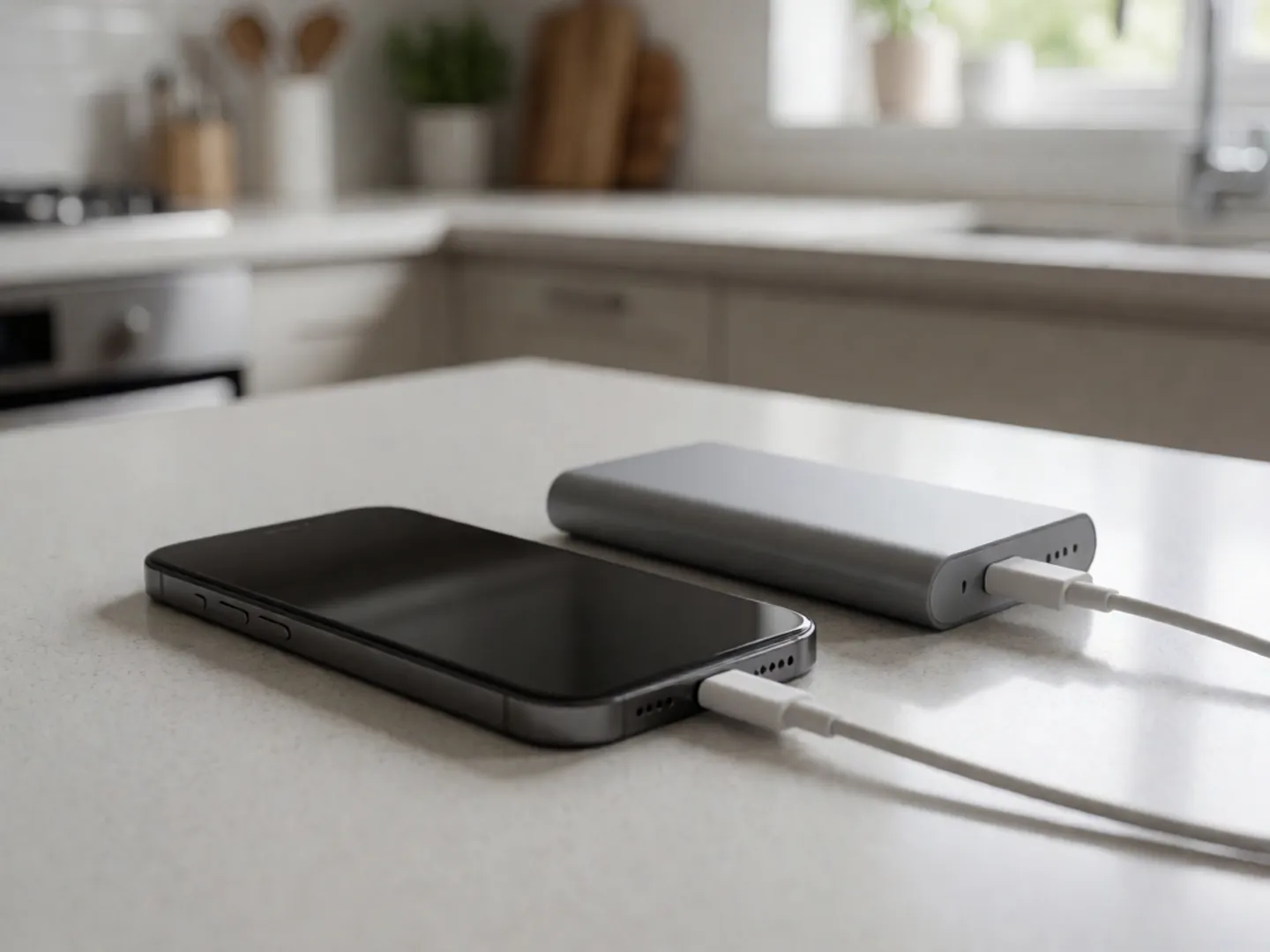
Torch, radio, power bank
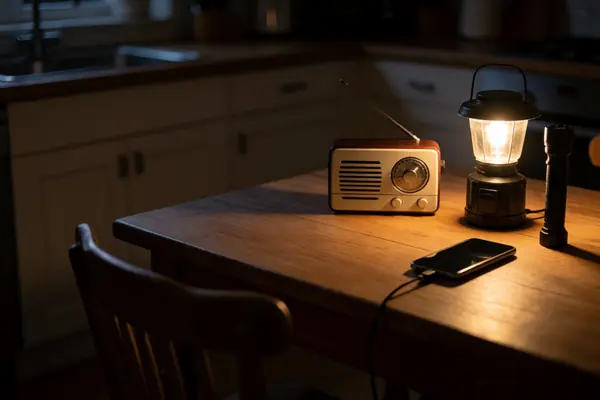
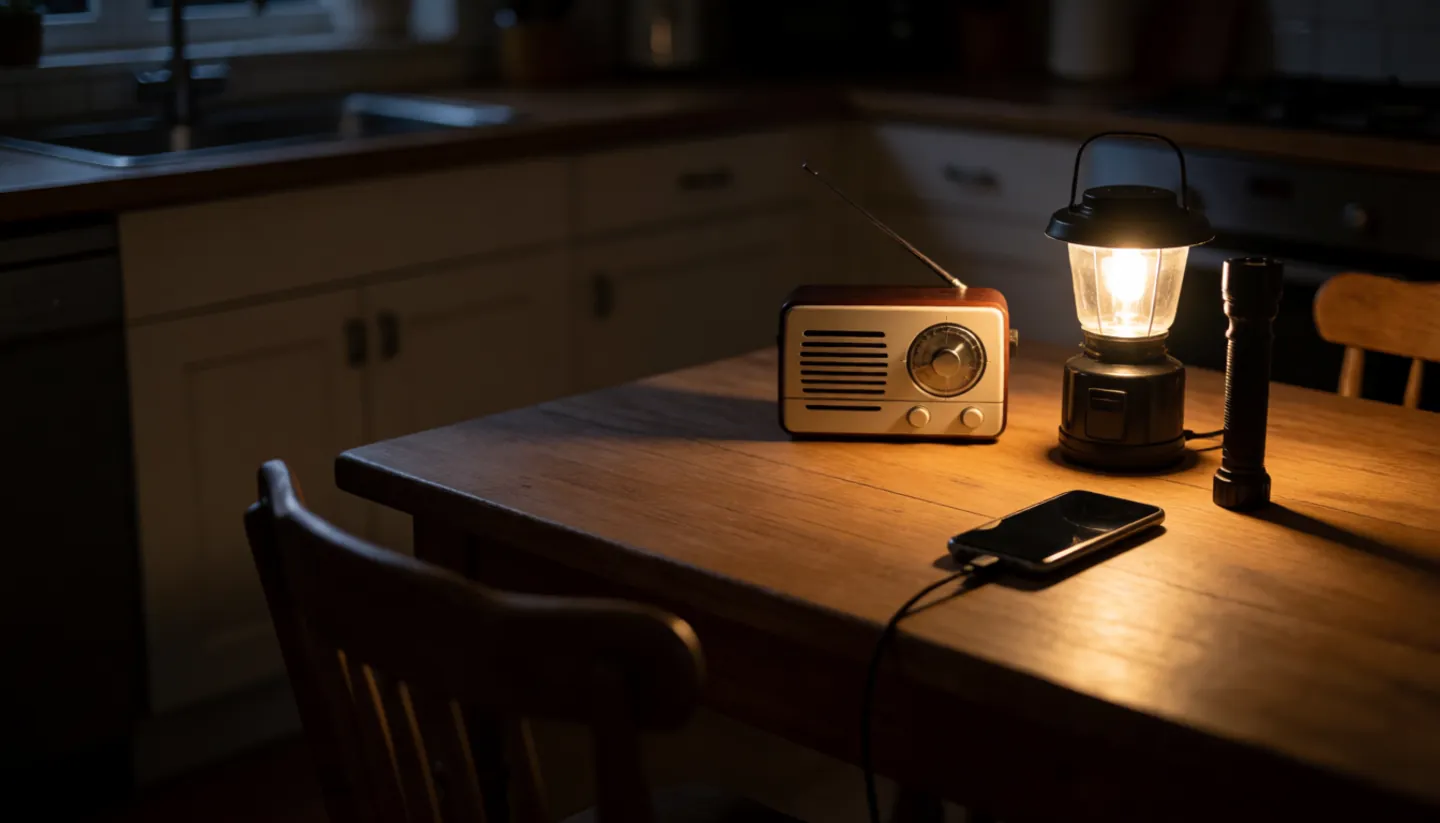
The UK government's Prepare site suggests a battery or wind-up torch, a battery or wind-up radio and spare batteries. Torches are safer than candles.
What to keep readyWHAT THE SAFETY GUIDANCE SAYS
When the mains goes off, a little backup power keeps the basics going.
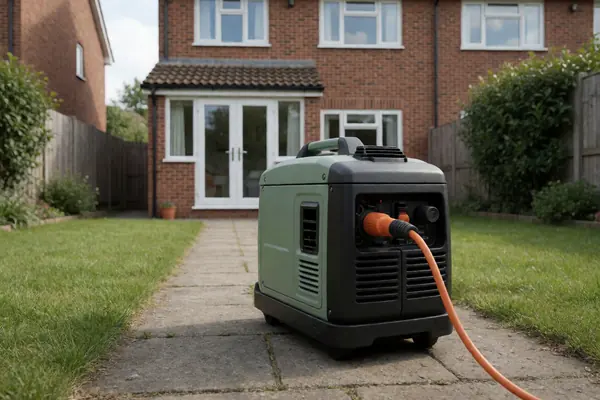
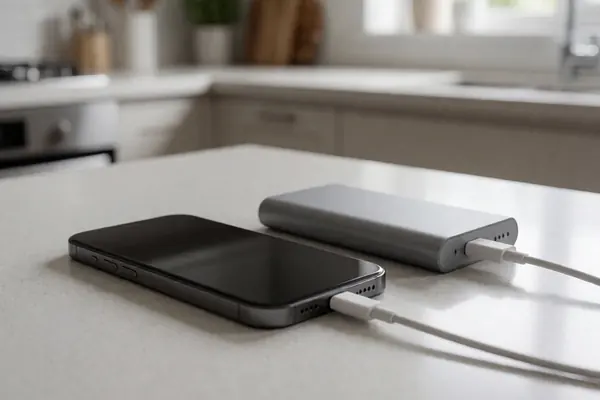
A torch, a radio and a charged power bank cover most short power cuts. If you add a generator, safety regulators are clear about where it runs and how it connects.
OUTSIDE is where generators run
THE SHORT ANSWER
Most power cuts are short and local.
The safest backup is often the simplest.
THE BASICS
The UK government's Prepare site suggests a battery or wind-up torch, a battery or wind-up radio and spare batteries. Torches are safer than candles.
What to keep readyGENERATORS
Generator exhaust contains carbon monoxide you cannot see or smell. Never run one indoors or in a garage, even with the door open.
Size a generatorBATTERIES
London Fire Brigade says use the charger that came with the device, never cover chargers, and avoid leaving items on charge once they are full.
See the numbersA QUICK SIZE CHECK
Pick a generator size to see what one electrical safety regulator says it can typically run. The bar shows how much it can power.
Based on Energy Safe Victoria's 2026 generator safety fact sheet. Always check the power rating on each appliance label and follow the generator's instructions.
TWO NUMBERS WORTH KNOWING
One figure on where a generator goes,
one on keeping a landline working.
20 feet
Generator from buildings, at least
Washington State Department of Health says generators should be at least 20 feet from buildings, away from windows, doors and vents. Even then fumes can drift in, so keep a working CO alarm inside.
DISTANCE · WASHINGTON DOH
1 hour
Back-up battery for a landline, minimum
If your landline will not work in a power cut, the Prepare site says your provider might offer a free solution, such as a back-up battery unit, for a minimum of one hour, so you can call the emergency services.
LANDLINES · UK GOVERNMENT
In a life-threatening emergency with no working landline, the Prepare site says to try 999 or 112 on a mobile: emergency calls automatically roam onto all available networks.
FOUR THINGS TO DO NOW
Most of this costs little or nothing. It is about knowing what works without mains power, and keeping it charged and easy to find in the dark.
A battery or wind-up torch and radio, spare batteries and a charged power bank, kept somewhere easy to find in the dark.
If you rely on a landline, a personal alarm or a connected health device, ask the provider how it works in a power cut.
The NHS suggests one for each room with an appliance that burns gas, oil, coal or wood. If you use a generator, choose alarms with battery power.
Add up the wattage on the appliance labels, use a heavy-duty extension lead rated at least as high as the generator, and keep fuel stored safely outside living areas.
THE HIDDEN DANGER
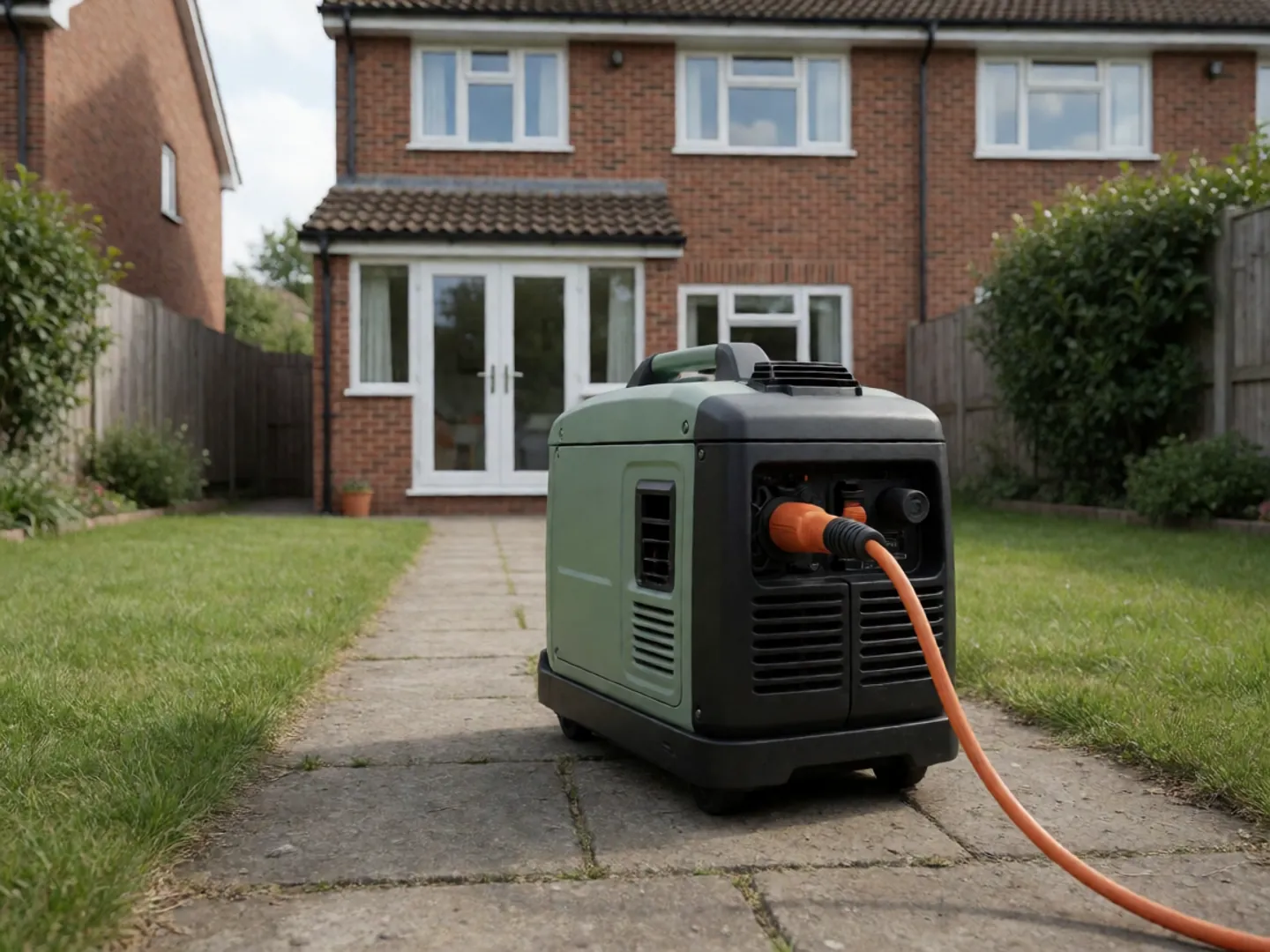
Plugging a generator into a wall socket to power the house wiring is called back-feeding. Energy Safe Victoria and Washington State's health department both warn it can endanger utility workers and neighbours on the same local network.
Washington's guidance says the only safe way to connect a generator to house wiring is a transfer switch fitted by a qualified electrician. Otherwise, plug appliances into the generator directly or through a heavy-duty outdoor extension lead.
Questions
No. Washington State Department of Health says never use one in a garage, carport, basement or other enclosed or partly enclosed space, even with ventilation. Opening doors and windows or using fans will not stop carbon monoxide building up.
The NHS lists a headache, dizziness, feeling sick, weakness, tiredness and confusion, chest and muscle pain and shortness of breath. Symptoms may ease when you go outside. Go outside and get medical advice; call 999 if someone finds it hard to breathe, is confused or has lost consciousness.
London Fire Brigade advises not leaving items continuously on charge after the charge is complete, says it is best not to leave a phone plugged in overnight, and says never to cover chargers or charging devices.
London Fire Brigade says stop charging immediately, turn the device off, do not remove the casing or tamper with it, and contact the manufacturer or a certified technician.
The UK government's Prepare site says you probably won't want to, because it drains the phone's battery more quickly. It suggests a battery or wind-up torch, and says torches are safer than candles.
Sources
ABOUT THIS NAME
solarshieldbackup.com is part of the DoodleSale portfolio. It isn't in an auction right now, but you can ask about leasing it.